Level 1 - Lesson 2
You meet new classmates and ask who they are. You also practice saying whether someone is Chinese, from Beijing, or from France.
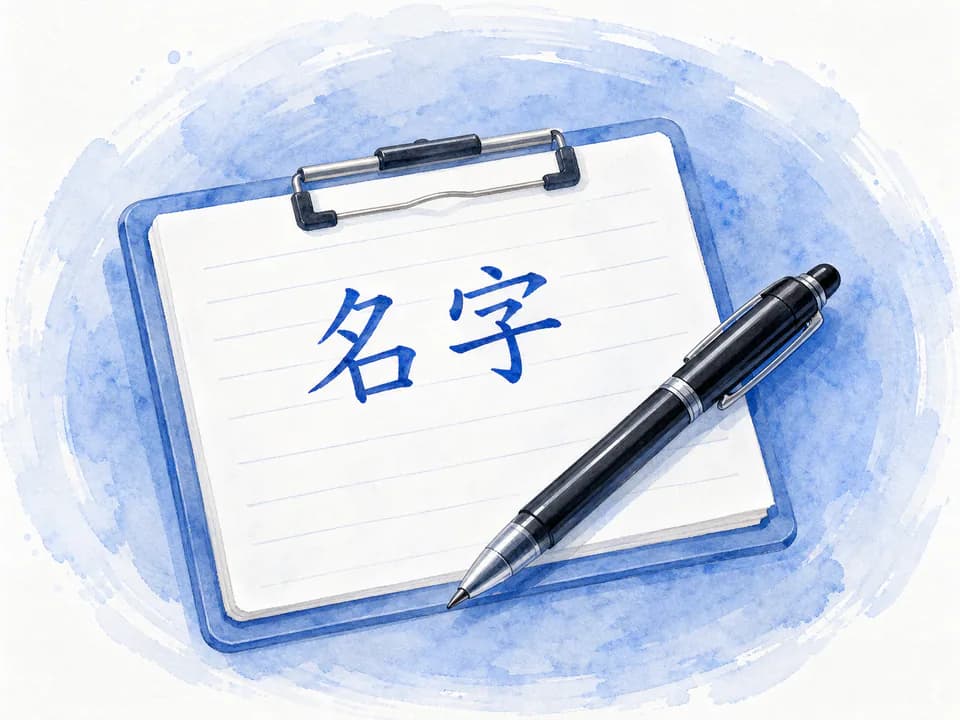
Contains 3 words
to be called
name
what
Contains 3 words
Contains 5 words
我叫___。
Wǒ jiào ___.
My name is ___.
你叫什么名字?
Nǐ jiào shénme míngzi?
What is your name?
你叫什么?
Nǐ jiào shénme?
What are you called?
我是中国人。
Wǒ shì Zhōngguó rén.
I am Chinese.
我不是中国人。
Wǒ bú shì Zhōngguó rén.
I am not Chinese.
Situation: Two new classmates exchange names; one asks about nationality after hearing the classmate's name.
美美
Meimei
你好,你叫什么名字?
Hello, what is your name?
Connecting nouns with 是
Use 是 (shì) to connect a person with an identity, place identity, or role.
Person plus 是 (shì) plus identity
Says what identity or place connection belongs to a person.
to be
not
yes/no question particle
person
China
country
Beijing
France
你是中国人吗?
Nǐ shì Zhōngguó rén ma?
Are you Chinese?
不是,我不是中国人。
Bú shì, wǒ bú shì Zhōngguó rén.
No, I am not Chinese.
你呢?
Nǐ ne?
And you?
我是法国人。
Wǒ shì Fǎguó rén.
I am French.
你是北京人吗?
Nǐ shì Běijīng rén ma?
Are you from Beijing?
方方
Fangfang
我叫方方。你呢?
My name is Fangfang. And you?
美美
Meimei
我叫美美。你是中国人吗?
My name is Meimei. Are you Chinese?
方方
Fangfang
不是,我不是中国人。
No, I am not Chinese.
Situation: A Beijing student meets a new classmate and asks whether she is also from Beijing.
美美
Meimei
你好,我叫美美。我是北京人。你呢?
Hello, my name is Meimei. I am from Beijing. And you?
方方
Fangfang
你好,我叫方方。我不是北京人。
Hello, my name is Fangfang. I am not from Beijing.
美美
Meimei
你是中国人吗?
Are you Chinese?
方方
Fangfang
不是,我是法国人。
No, I am French.
Situation: Before class, one student confirms a new classmate's name and place identity.
美美
Meimei
你叫方方吗?
Is your name Fangfang?
方方
Fangfang
是,我叫方方。
Yes, my name is Fangfang.
美美
Meimei
你是法国人吗?
Are you French?
方方
Fangfang
是,我是法国人。
Yes, I am French.
Situation: A student checks a new classmate's name and place identity for a class record.
美美
Meimei
你叫美美吗?
Is your name Meimei?
方方
Fangfang
不是,我叫方方。
No, my name is Fangfang.
美美
Meimei
方方,你是北京人吗?
Fangfang, are you from Beijing?
方方
Fangfang
不是,我是法国人。
No, I am French.
Use the same core pattern for 我是中国人 (wǒ shì Zhōngguó rén) and 你是北京人吗? (nǐ shì Běijīng rén ma?); the question just adds 吗 (ma) at the end.
Use this to state an identity directly.
我是中国人。
I am Chinese.
The same identity pattern becomes a question with 吗 (ma).
你是北京人吗?
Are you from Beijing?
我是中国人。
I am Chinese.
你是北京人吗?
Are you from Beijing?
Dialogue 01: Meeting a Classmate, Turn 3
Ask a country identity question
我叫美美。你是中国人吗?
My name is Meimei. Are you Chinese?
Dialogue 02: Introducing City and Country Identity, Turn 1
State a place identity
你好,我叫美美。我是北京人。
Hello, my name is Meimei. I am from Beijing.
是 (shì) works like a linking verb in the beginner sentences in this lesson. Put the person first, then 是 (shì), then the identity.
Use 我是中国人 (wǒ shì Zhōngguó rén) to say "I am Chinese." Add 吗 (ma) at the end when you want to ask whether the identity is true, as in 你是北京人吗? (nǐ shì Běijīng rén ma?).
Standard negation with 不
Put 不 (bù) before 是 (shì) to say that someone is not an identity.
Put 不 (bù) before 是 (shì)
Says the identity is not true.
不 (bù) goes before 是 (shì). Together, 不是 (bú shì) uses the spoken tone change shown here.
The negative marker comes right before 是 (shì).
我不是中国人。
I am not Chinese.
Use 不是 (bú shì) first, then state the correct identity.
不是,我是法国人。
No, I am French.
我不是中国人。
I am not Chinese.
不是,我不是北京人。
No, I am not from Beijing.
Dialogue 01: Meeting a Classmate, Turn 4
Deny a country identity
不是,我不是中国人。
No, I am not Chinese.
Dialogue 02: Introducing City and Country Identity, Turn 2
Clarify place identity
你好,我叫方方。我不是北京人。
Hello, my name is Fangfang. I am not from Beijing.
To negate 是 (shì), put 不 (bù) directly before it. In speech, 不 (bù) changes tone before 是 (shì), so 不是 is pronounced bú shì.
Use 我不是中国人 (wǒ bú shì Zhōngguó rén) to say "I am not Chinese." In a short answer, start with 不是 (bú shì), then give the full correction.
Interrogative pronouns
Use 什么 (shénme) in the place where the answer would appear.
Ask what name
Asks what someone is called.
The question word stays in the spot where the name answer would go.
This is the main polite beginner form in the lesson.
你叫什么名字?
What is your name?
A shorter form keeps 什么 (shénme) in the answer position.
你叫什么?
What are you called?
你叫什么名字?
What is your name?
你叫什么?
What are you called?
Dialogue 01: Meeting a Classmate, Turn 1
Ask for a classmate's name
你好,你叫什么名字?
Hello, what is your name?
In a name question, 什么 (shénme) marks the unknown part. In 你叫什么名字? (nǐ jiào shénme míngzi?), the unknown answer is the name.
The word order stays close to the answer pattern. You do not move 什么 (shénme) to the front. Keep it where the name information belongs.
Basic SVO order
Simple Chinese sentences usually put the person first, then the action or linking verb.
Put the person first
Names who the sentence is about before giving the name or identity.
The same order works for 我叫方方 (wǒ jiào Fāngfang) and 我是中国人 (wǒ shì Zhōngguó rén): who first, then the key verb, then the answer.
The person comes first, then 叫 (jiào), then the name.
我叫方方。
My name is Fangfang.
The person still comes first, then 是 (shì), then the identity.
我是中国人。
I am Chinese.
我叫方方。
My name is Fangfang.
我是中国人。
I am Chinese.
Dialogue 01: Meeting a Classmate, Turn 2
Answer with a name
我叫方方。你呢?
My name is Fangfang. And you?
Dialogue 02: Introducing City and Country Identity, Turn 1
Introduce name and identity
你好,我叫美美。我是北京人。
For the beginner sentences in this lesson, start with the person. Then say what the person is called or what identity the person has.
Use 我叫方方 (wǒ jiào Fāngfang) for names and 我是中国人 (wǒ shì Zhōngguó rén) for identity. The first piece tells who the sentence is about.
Why it matters
The second sentence uses 不 (bù) before 是 (shì) to deny the Beijing identity.
Focus
Hello, my name is Meimei. I am from Beijing.
